Buying a Property? The Inspector Is the One Professional Working Only for You
Buying a property brings a crowd of professionals into your life at once. There is a listing agent, probably a buyer’s agent, a lender, an appraiser, a title company, an insurance agent and, somewhere in the middle of it, an inspector. Every one of them plays a real part. But ask a simple question about each: who are they working for, and what happens to them if the sale does not close?
Asked honestly, that question leads to one answer. The inspector is the one professional in the transaction whose only job is to tell you, the buyer, the truth about the property. That is true whether you are buying a first home, a condominium, a rental portfolio or a commercial building.
The one person in the deal working only for you
None of what follows is a criticism of anyone else at the table. Each party has a legitimate role, and most of them do it well. The point is simply that their roles are different from yours.
• The seller’s agent represents the seller, and is paid by the seller when the sale closes.
• Your own agent negotiates on your behalf and usually wants you protected, but is normally paid only when the sale closes. In Florida, unless you sign an agreement saying otherwise, the law presumes your agent is a transaction broker offering limited representation, not a single agent working only for you.
• The lender and the appraiser are protecting the loan. An appraisal tells the bank the property is worth what it is lending; it does not tell you whether the roof leaks.
• The inspector is paid the same fee whether you buy the property, renegotiate the price or walk away.
That last line is the whole point. Three things follow from it.
• No interest in the outcome. A good inspector has nothing riding on your decision. Florida’s home inspector law backs this up: a licensed inspector may not inspect a property they have a financial interest in, may not pay anyone for referrals, and may not offer to do repairs on a home they have just inspected.
• It is about the facts. An inspection report is not an opinion about whether you should buy. It is a record of what was observed, where it was, how it was tested, and what should happen next. The decision stays with you, where it belongs.
• It follows a standard of practice. Licensed home inspectors in Florida work to a written standard of practice, Rules 61-30.801 through 61-30.811 of the Florida Administrative Code, which sets out what must be inspected and reported for each system of the home. Commercial work follows its own published standards, such as ASTM E2018 for property condition assessments. A standard means the inspection is not whatever the inspector felt like doing that day.
Talk to your inspector before the inspection
Too many buyers meet their inspector for the first time on the driveway. The best inspections start with a conversation days earlier, because no one knows what matters to you better than you do. A good inspector will ask; if they do not, tell them anyway.
• What worries you. A stain you noticed at the showing, a smell in one room, a crack in the driveway, a comment in the seller’s disclosure.
• How you will use the property. Young children, an older parent, someone with asthma or allergies, a planned renovation, a pool you intend to reopen, tenants you intend to place.
• What your insurer and lender will need. Older homes often need a four-point inspection for insurance, and a wind mitigation report can lower the premium. Knowing this in advance saves a second visit.
• What is in scope and what is not. Ask the inspector to explain, before the day, what their standard covers and what it excludes. Anything important to you that falls outside the standard can usually be added.
The result is an inspection built around your purchase rather than a generic checklist, and a report that answers the questions you actually had.
Ancillary inspections: where the expensive surprises hide
A general home or building inspection is visual and non-invasive by design. Several of the most costly problems a buyer can inherit sit outside it, and in Florida several of them are separately licensed work. These are the ones worth discussing with your inspector every time.
• Septic. Much of South Florida outside the sewer lines runs on septic systems. A general inspection does not evaluate the tank or the drain field, and replacing a failed drain field is one of the larger bills a new owner can face. The system should be evaluated by a Florida-registered septic contractor.
• Mold. In Florida, mold assessment, meaning sampling and evaluating the results, is licensed work that requires a Florida-licensed mold assessor. The law also keeps the assessor and the remediation company separate: an assessor may not remediate a property they assessed within the previous twelve months, so the person diagnosing the problem is not the person profiting from the repair.
• Radon. Florida requires a radon disclosure statement in real estate contracts, and radon testing for a client must be done by someone certified by the Florida Department of Health. The only way to know a building’s level is to test it.
• VOCs and indoor air quality. Volatile organic compounds come from paints, adhesives, flooring, cabinetry, cleaning products and fuel. Recent renovations and new construction are common sources. Air sampling with laboratory analysis is the way to know what is in the air you will be breathing.
• And others, depending on the property. Wood-destroying organisms (termites), performed by a licensed pest control company; wind mitigation and four-point reports for insurance; a sewer line camera scope; well water testing; lead-based paint for homes built before 1978; asbestos in older buildings; infrared thermography; and, for commercial buyers, a property condition assessment and the status of any 40-year or 25-year building recertification.
Ancillary inspections cost a fraction of what the problems they find cost to fix. Ask your inspector which ones fit the property, and whether they hold the licenses to perform them or can refer you to someone who does.
Qualifications matter more than people think
Two inspectors can walk the same building and hand you very different reports. The difference is training and experience, and both can be checked.
• The license. Florida home inspectors, mold assessors and mold remediators are licensed by the Department of Business and Professional Regulation. A home inspector has completed a 120-hour course of study, passed a state examination and must complete 14 hours of continuing education every two years. You can verify any license in under a minute at myfloridalicense.com.
• The insurance. Florida requires a licensed home inspector to carry commercial general liability insurance of at least three hundred thousand dollars, and a mold assessor at least one million dollars. Ask to see it.
• The certifications. Beyond the license, look for certifications that match the work: thermography certification for infrared, Department of Health certification for radon, professional association credentials, and continuing education in the specific systems your property has.
• The years. Experience is what turns a checklist into judgment. Ask how long the inspector has been working, and how many properties like yours they have inspected. A commercial building, a waterfront condominium and a 1950s block home each call for different experience.
• A sample report. Ask for one. It will tell you more about the inspector than anything on a website: whether findings are photographed, located and explained, and whether the recommendations are clear enough to act on.
Take the recommendation, make the decision
Your real estate agent will often suggest an inspector, and that is a reasonable place to start. Agents see a lot of inspection reports and many of them know who does careful work. Accept the names gladly.
Then remember whose decision it is. You are the one hiring the inspector, you are the client, and you will own whatever the report missed. Check the license, the insurance, the certifications and the experience of every name you are given, and choose the inspector you are confident is working for you.
It should never be about who is cheapest
The inspection is usually one of the smallest costs of buying a property, and one of the few that can save you money. A lower price almost always means less time on site, a narrower scope or less experience, and a single missed roof, septic system or moisture problem can cost more than every inspection you will ever buy.
Compare inspectors on what they will look at, how they will report it and what they know, then compare the price last. The right inspector is the one who finds what matters before you own it.
If you are buying a property.
Five questions to ask before you book any inspection. Are you licensed for this type of inspection, and may I see your insurance? How many years have you been inspecting properties like this one? What does your standard of practice cover, and what does it exclude? Which ancillary inspections would you recommend for this property, and are you licensed to perform them? May I see a sample report?
About the author.
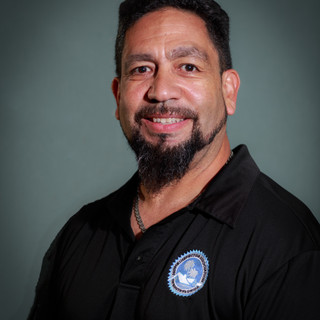
Raymond Ward is a Florida-licensed Mold Assessor (MRSA-2391), Mold Remediator (MRSR-3879) and Home Inspector (HI1164), and the principal of All Inspections 4U Environmental in Miami, Florida. He is a NORMI member, a CCPIA instructor teaching primarily in Spanish, and a DBPR-approved continuing education provider, developing and delivering courses in mold assessment, home inspection, wind mitigation, radon measurement and commercial building inspection. He has worked in the inspection industry since 2002 and has been licensed since 2012.
• Residential and environmental inspections: allinspections4u.com | allinspections4u@gmail.com
• Commercial inspections, property assessments and recertifications: commercialinspections4u.com | commercial@allinspections4u.com
• Telephone, either side: 954-802-8524


